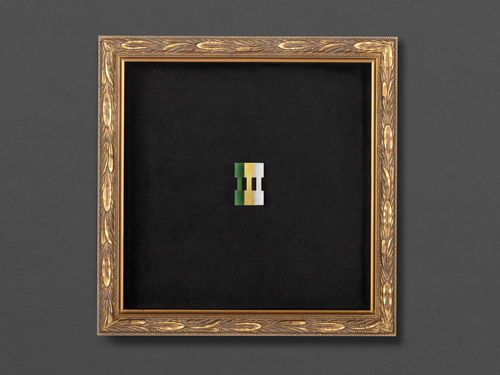
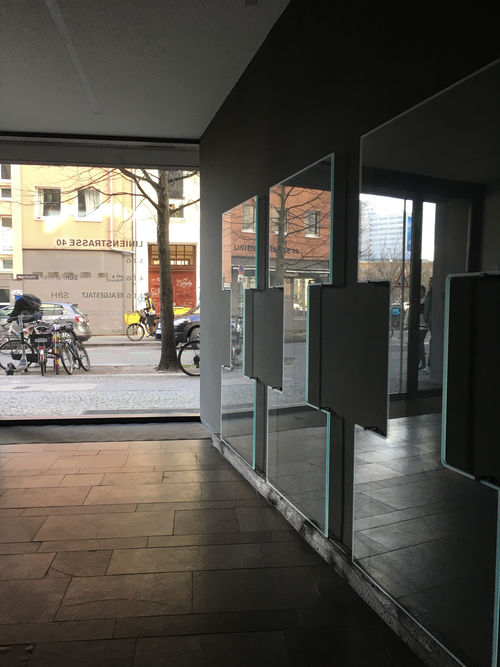
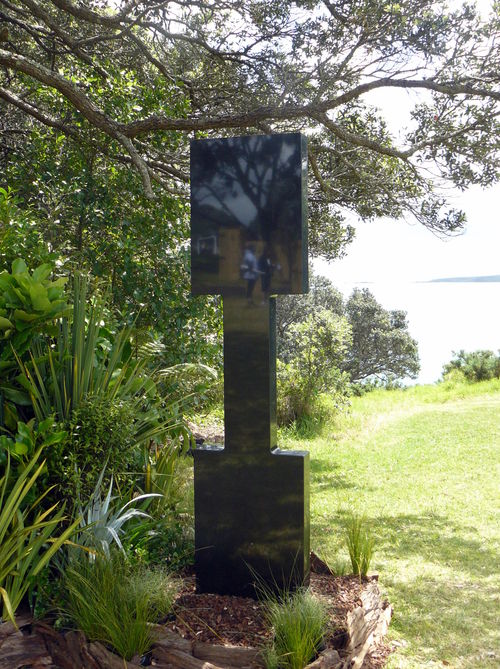
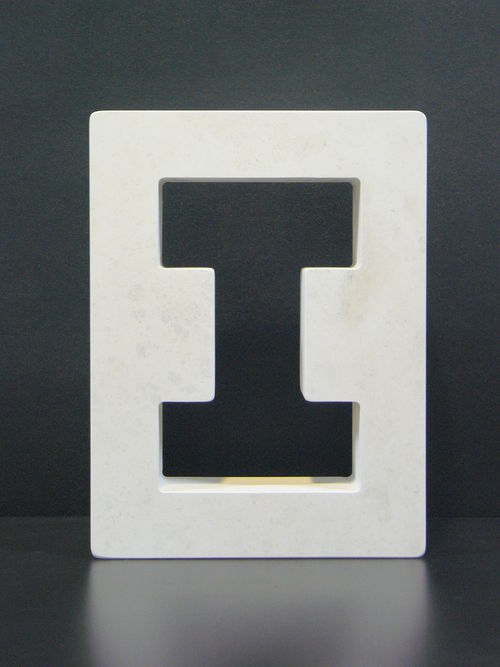
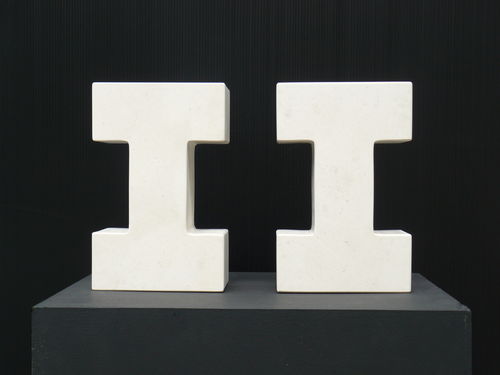
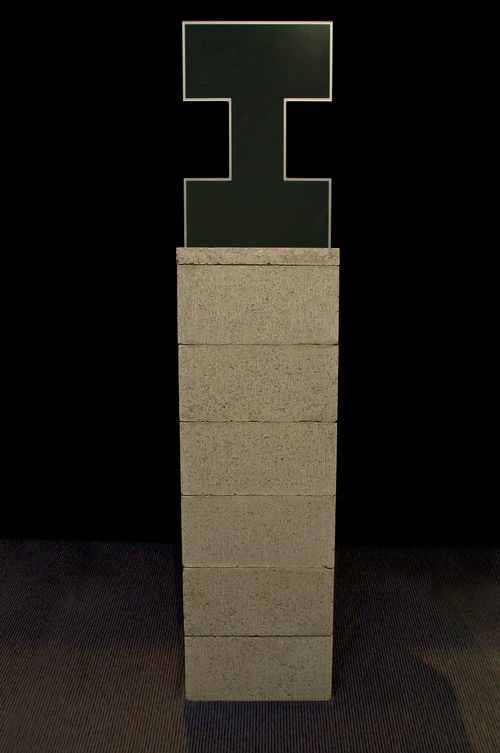
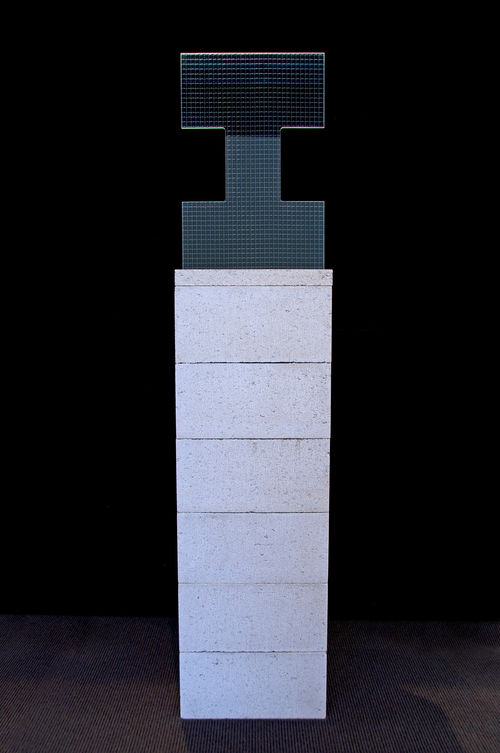
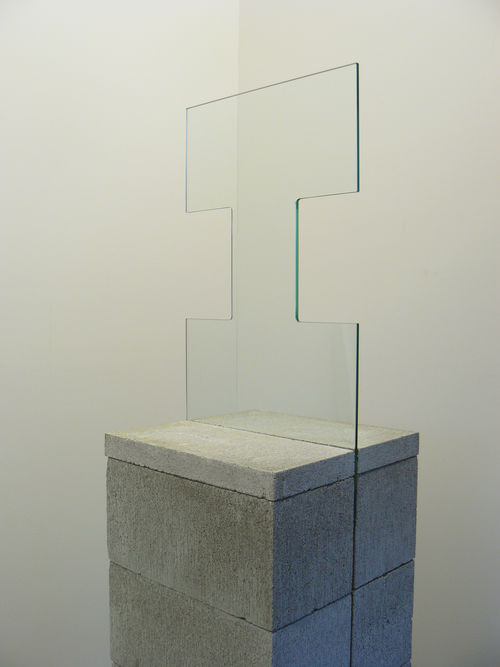
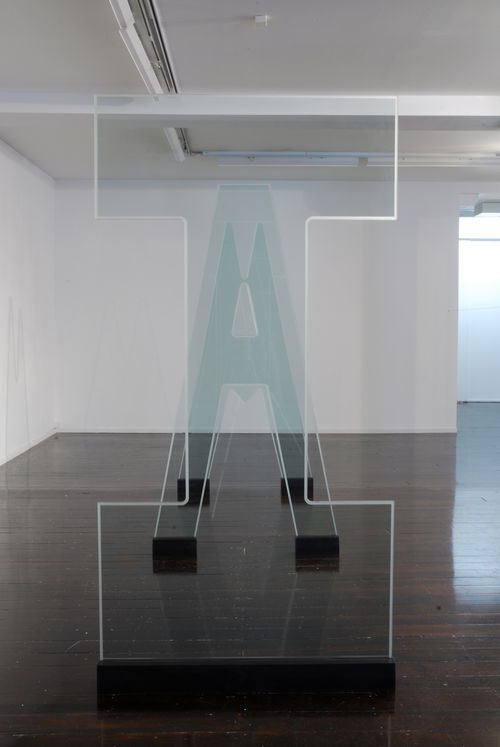
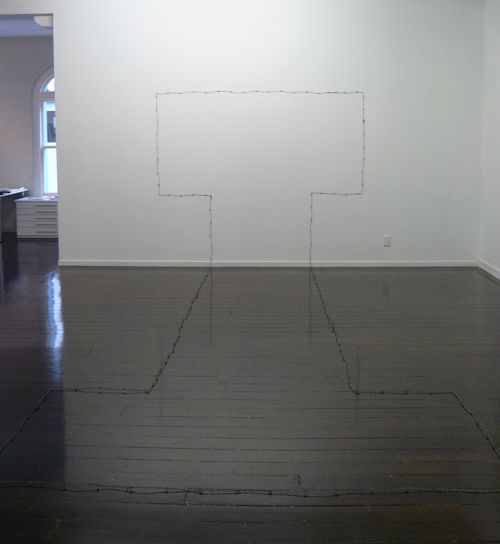
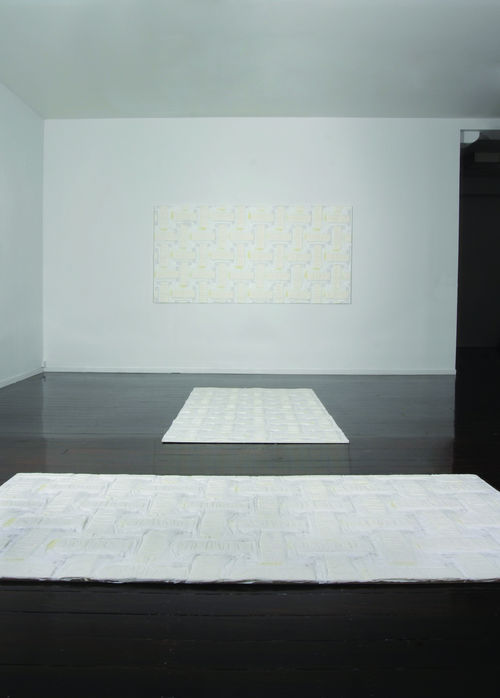
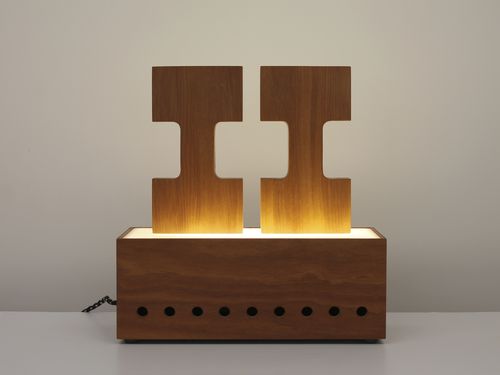
In the space between subject and object, the I-figure engages body, spirit and mind. Stripped of expressive content yet embedded with symbolism and narrative, the I-frame remains open – inviting the viewer’s perception of absence and presence, Other and Self. It reflects like a subliminal mirror of I/One/First, an affirmation refracting the subjective through an almost universal lens, a pronoun intersecting cultures and paradigms, and a grounding of humanity. In ancient and ethereal media, the I-figure channels Other Beings, evoking mythic presence, ancestral systems, and totemic figures, appearing as first-forms. As a Roman numeral, the "I'' marks beginnings, primacy, and identity, time-stamped in colonial systems. In philosophy and psychology, the I-subject relays states of consciousness, knowing, and spirit realms. In geo-politics, the pronoun of agency and personhood is a platform for civic participation and human rights. Its imprint moves across languages: in Egyptian hieroglyphs, the reed-like “I” signifies breath or life force; in Arabic the upright stroke is a symbol of divine oneness and unity; in te reo Māori, it connects the spoken word with the past tense; and in Japanese, it speaks the sound of love. In this body of work, resonances and residues of the I-form are activated as vessel and portal within precise and unique contexts.